
In this article, we’ll take a look at these five most common mistakes companies make when building an inclusive culture, and share best practice tips for avoiding these:
- Leaving HR to lead on your Equality, Diversity & Inclusion (ED&I) policy
- Avoiding uncomfortable conversations
- Believing that great minds think alike
- Making feedback a one-way street
- Thinking that you can’t be what you can’t see
But first, let’s take a look at what ED&I policy is designed to do, how diverse teams can benefit your business, and the biggest diversity challenges in tech.
What should be the goal of your ED&I policy?
Creating accessible opportunities in the tech industry is a cause close to our hearts at Revolent. As a diverse organization, we understand the incredible benefits that having a diverse team, made up of people from all kinds of backgrounds and with a wide variety of experiences, can bring.
But the end goal of any ED&I policy should not be simply building more diverse teams. Making sure our industry is a place where everyone can build a successful, rewarding, and satisfying career requires a focus on inclusion.
While we should be aiming to create more diverse teams, it’s inclusion that makes a lasting difference. Inclusion enables people to thrive. Inclusion helps to open more opportunities for people to progress into leadership positions. And inclusion makes people want to stay.
Recently, our President, Nabila Salem gave a talk at a Microsoft Dynamics 365 Business Central Reskill Community event about how businesses can prioritize not only diversity but inclusion as well, to create a welcoming culture where everyone wins.
In this post, we’ll recap on the key points of discussion from the event, addressing some of the biggest missteps businesses make when building an inclusive working environment, to help your organization avoid these.
Why build more inclusive teams?
First things first—why does inclusivity matter? And how can it benefit your particular organization?
“The most important reason to build inclusive teams is also the most obvious one: because everyone deserves to feel supported, valued, and included at work, no matter who they are,” advocates Nabila.
While that’s a reason enough in itself, there are also a whole host of other benefits that arise when driving inclusivity in an organization.
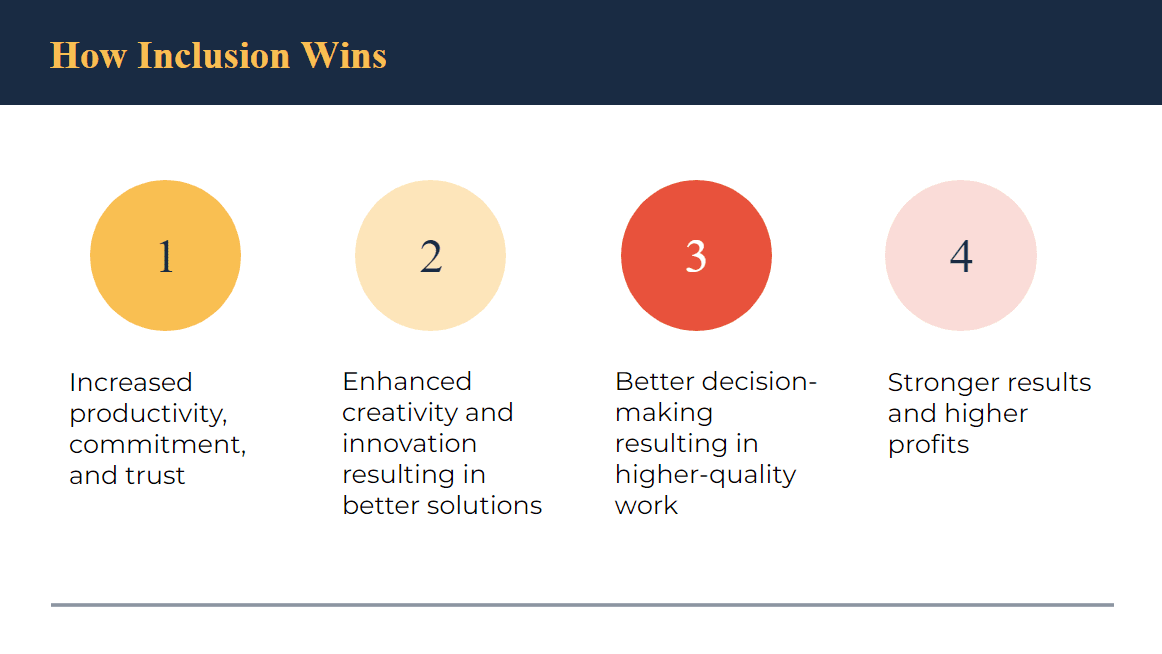
Increased productivity, commitment, and trust
Teams that prioritize inclusivity benefit from increased productivity—because when team members feel valued, they’re more motivated to do their best work. This sense of appreciation and belonging breeds loyalty, with your team members feeling more invested in shared goals and therefore more likely to go above and beyond. High levels of trust are often seen within inclusive teams too, thanks to the openness and transparency that inclusion naturally promotes.
Enhanced creativity and innovation
Inclusivity means welcoming all perspectives, experiences, and ideas to the table. This variety of inputs leads to enhanced creativity, greater innovation, and solutions that tackle a wide range of problems. Plus, people who feel that they’re in an inclusive, supportive environment are far more comfortable taking risks, sharing ideas, and developing creative solutions.
Better decision-making and higher-quality work
Inclusive teams tend to develop more effective decision-making processes. This is because they can leverage the diverse perspectives and expertise of team members to more comprehensively analyze options and consider different viewpoints. And the more viewpoints and approaches you have to draw upon, the more informed your decisions will be, leading to better results in turn.
Stronger results and higher profits
Inclusive teams consistently outperform non-inclusive teams, leading to better solutions and higher profits. By utilizing the full range of perspectives, inclusive teams can tackle challenges more effectively, seize opportunities more quickly, and create innovative solutions that serve a range of stakeholders. This diversity of thought is what gives inclusive organizations a competitive advantage in an increasingly diverse world. In fact, productivity in diverse workplaces is 12% higher than in companies that make no attempt to be inclusive. As a result, inclusive teams perform up to 30% better overall.
Tech’s big diversity challenges
Despite heroic efforts being made to make the tech industry more diverse and inclusive, there’s still a lot of work to be done. Sadly, some of the numbers around diversity in tech are pretty startling.
- Women hold 28% of jobs in computer and mathematical occupations in the US, making around $15,000 less than men. In Europe, women hold just 22% of all tech roles. This is projected to decline to 21% by 2027.
- 25% of the UK’s tech employees are ethnic minorities. Only 5% are Black. This number is even worse the higher up the career ladder you look, with just 14% of the UK’s senior tech roles being held by people from ethnic minority backgrounds.
- Just 6% of the UK’s tech employees are disabled, compared to 23% of the wider working–age population.
- Only 9% of the UK’s tech employees are reported to be from lower socioeconomic backgrounds.
The tech talent shortage continues to cause major problems for businesses looking to digitally transform their operations. Meanwhile, many demographics are still poorly represented in the field, creating significant opportunities to recruit from untapped pools of talent. Yet, the statistics show, diversity in the tech space remains low—a clear indicator that more needs to change for the industry to consistently attract and retain diverse talent.

5 common mistakes companies make when building an inclusive culture (and how to avoid them)
Developing inclusive cultures is critical to the success of today’s businesses, especially those operating in the tech space. Many organizations have made significant strides to create an environment that fosters success and allows companies to reap the benefits of having the best talent on their teams. But even with the best intentions, businesses often make mistakes on the road to inclusivity—mistakes that can seriously hamper their progress when it comes to ED&I.
Here are some of the most common blunders that we see companies make time and again, with some actionable tips to help your organization avoid them.
1. Leaving HR to lead on ED&I
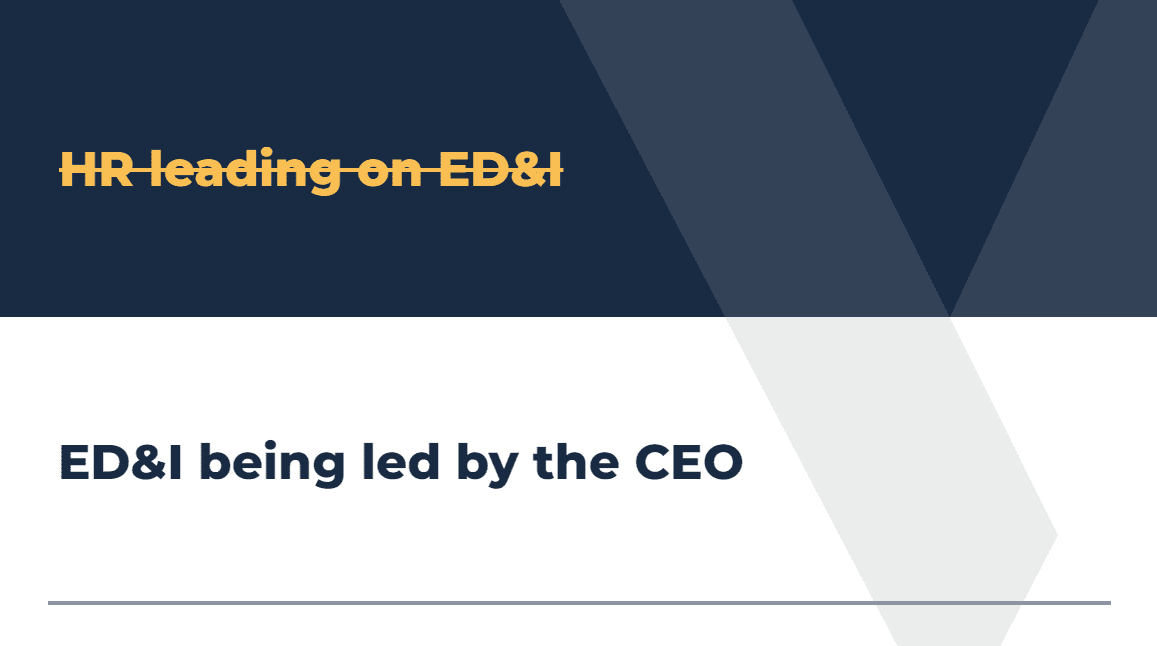
Any big change within an organization should come from the top down, and inclusion strategies are no exception. But this isn’t always how things play out.
Inclusion is a very human concept, and as a result, steering it is often assigned to HR by default. While HR should undoubtedly be deeply involved in building and deploying inclusion initiatives, they need support from the top to succeed.
“I often see businesses fall into the trap of thinking their diversity and inclusion agenda should be led by HR. But diversity and inclusion really starts with and should always be led by the CEO and the Board,” says Nabila. This is a lesson Nabila knows well, being a Board Member of Revolent and Tenth Revolution Group.
How your business can avoid this mistake
Senior leaders should be actively championing ED&I initiatives, sending a strong message that diversity and inclusion are top priorities. They must make it clear that ED&I is not a secondary priority or a ‘nice to have’, but rather something that is intrinsically integrated into the overall business strategy and aligned with the company’s goals.
“The most senior people within the business have to lead by example to drive real cultural change, implement new policies, and scrap outdated ones,” Nabila adds. “Companies need to showcase to every department that this is of the utmost importance to the business.”
Advocating for ED&I from the very top of the business also helps drive meaningful change more quickly by leveraging senior leaders’ authority to make strategic decisions. When Board members take a clear stance on ED&I issues, they’re not only demonstrating a dedication to creating a more inclusive workplace but also putting themselves forward to be held accountable for driving change. This goes a long way towards building trust with employees, customers, and stakeholders alike.
2. Avoiding uncomfortable conversations

Neutrality on social and political issues has long been the default stance for many businesses. But, while speaking out on topics around ED&I might create some tricky exchanges, it’s no longer acceptable to sit on the fence.
“When businesses or individuals fear that certain conversations might be too political, they often decide to say nothing at all,” Nabila comments. “This can be incredibly damaging to the company’s brand image, as well as its internal culture and people.”
Avoiding hot–button conversations can be worse for a brand than weighing in, says Nabila. “Our fears about being too political often result in businesses or people looking like they simply don’t care. While actions do speak louder than words, silence is absolutely deafening.” In other words, if you fail to stand up for what’s right, your employees and your customers will take notice.
Tips to avoid this common mistake
Instead of shying away from tough conversations, businesses should carefully embrace them as an impactful way of fostering inclusivity. Having such conversations within your business drives empathy, allowing employees to share perspectives, experiences, and concerns openly and help others understand their positions.
“Tackling ‘prickly’ topics can also help you uncover unconscious biases within the organization, which can then be addressed in a way that helps your people grow and creates a more inclusive workplace,” adds Nabila.
You simply cannot create a culture of inclusivity without openness and respect. Providing a safe environment for employees to talk about things that affect them demonstrates that your organization values diverse viewpoints and understands how important these conversations are in building trust.
3. Believing that great minds think alike

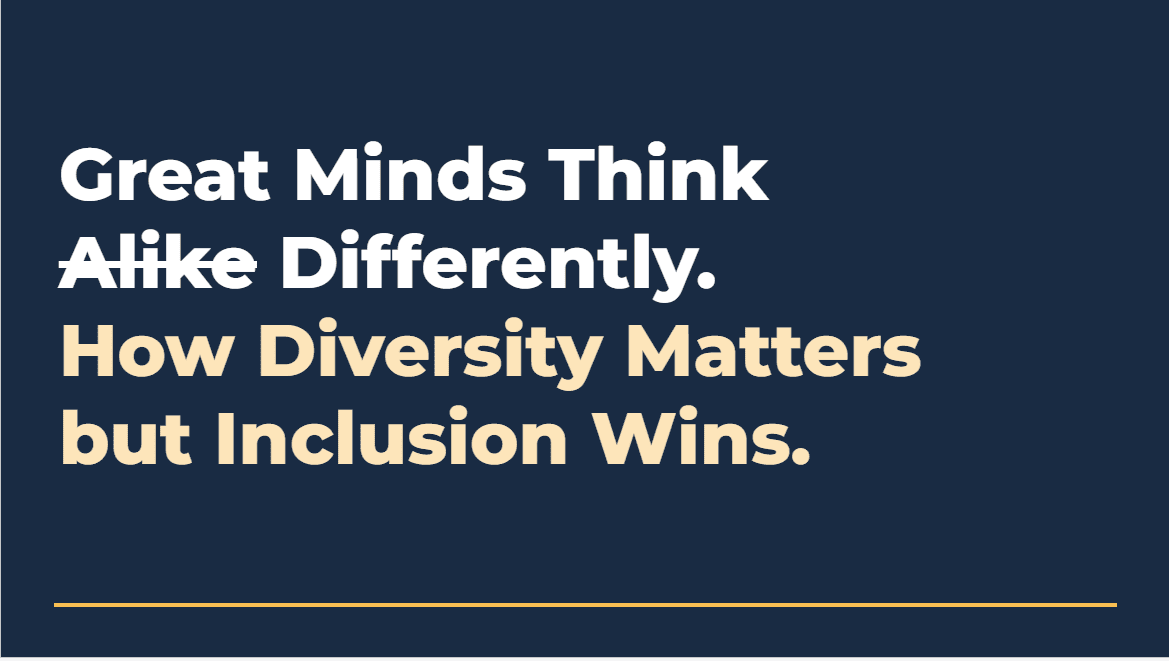
The power of inclusivity is that it brings diverse perspectives, experiences, and ideas to a team—which is why the idea that great minds think alike is the antithesis of an inclusive culture.
“The number of times I’ve heard people say great minds think alike is just astonishing,” Nabila says. “I couldn’t disagree more with this statement because, to me, great minds will always think differently. That’s precisely what leads to creativity, innovation, and other incredible benefits.”
How your business should react
Minds that think the same way will always come up with the same solutions. But when a diverse set of approaches is welcomed and validated, you can tap into a wellspring of creativity and innovation. When individuals with different backgrounds, attitudes, and neurotypes come together, they can spot issues and address problems that a more homogenous team might never have considered. As a result, they can develop inventive solutions that serve more stakeholders in more markets.
Ultimately, the notion that great minds think alike perpetuates a culture of uniformity that excludes and marginalizes individuals who don’t represent the status quo. Buying into this misconception is a sure-fire way to hinder an organization’s capacity for inclusivity.
4. Making feedback a one-way street
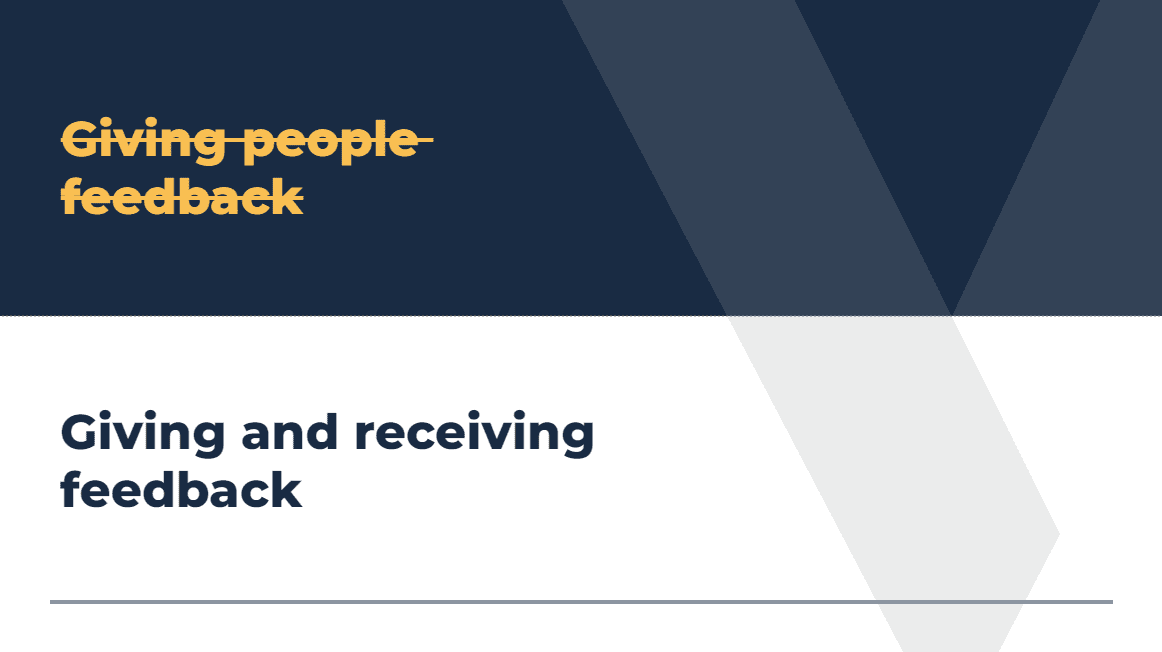
There are tons of business benefits that come with inclusivity… But don’t forget that the primary goal of inclusivity is to make things better for people!
Any ED&I strategy should be built around the needs and wants of the people it’s designed to serve. That’s why it’s crucial that you welcome regular feedback from employees and fully utilize it to make your initiatives more effective.
Inclusivity should be a constant work in progress, and feedback is a massively useful tool for directing its progression. But all too often, businesses are quicker to dish out feedback to their employees than to solicit their thoughts about how well ED&I strategies are actually working for them, on the ground.
“Of course, we should give people feedback, but we also need to be open to receiving it,” says Nabila.
How you can ask for employee feedback in an effective way
By regularly soliciting feedback from your employees, you can empower your workforce to have a voice in shaping your company’s ED&I initiatives. This sense of ownership can make a big difference to your employee engagement and commitment to furthering diversity and inclusion.
Be consistent and be sure to speak to everyone in the business. The entire goal of inclusivity is to make everyone feel valued, so remember that your employees will have unique perspectives, experiences, and needs when it comes to ED&I. Be open to all of it. This is the best way to understand the specific challenges and opportunities faced by a diverse workforce, and in turn, uncover any blind spots and gaps in current initiatives.
“In my opinion, the magic bullet for any initiative is to complement it with regular, meaningful feedback,” Nabila adds. “So, ask your employees and your colleagues what they care about. Ask them what motivates them, what concerns them, and what they want to see done better.”
5. Thinking that you can't be what you can't see

The idea that ‘you can’t be what you can’t see’ was born out of well-founded concerns about levels of representation in tech. And while it’s certainly more challenging to take the path less travelled, it can be a limiting concept.
“I’ve heard people say you can’t be what you can’t see, which I understand to some degree—it’s difficult to be what you can’t see because you might lack support or encouragement,” says Nabila. “There’s a lack of role models out there, and being in the minority is certainly hard, but someone always has to be first.”
While representation can play a big part in inspiring individuals and breaking down stereotypes, believing that you can only follow where others have already gone can actually serve to restrict a budding tech professional’s aspirations.
How to change your organization's stance on this
A more productive approach is to first recognize that individuals across your workforce can aspire to be anything they choose, regardless of whether they see someone they relate to in that role already. And secondly, it’s about offering support to help those individuals in achieving their aspirations.
Don’t be hobbled by focusing solely on what’s visible. Instead, emphasize the value of diversity of thought, experiences, and perspectives.
“We must challenge the notion that any person’s potential is limited by what they see around them and encourage everyone to pursue their goals based on their passions, skills, and abilities,” Nabila adds.
Any steps that your organization takes to foster equity, diversity, and inclusion are steps in the right direction. But there are plenty of things your company can do to set itself up for success and maximize return on your efforts. By learning from the mistakes of others, your business can supercharge its ED&I strategy and build effective, impactful inclusivity strategies that truly transform your culture.
Building inclusive teams with talent creation
If you’re looking to create more opportunities for net-new talent from diverse backgrounds to launch promising careers in tech, check out Reskill, our Microsoft Dynamics 365 Business Central Talent Program. Built in partnership with Microsoft and Companial, the program has achieved truly impressive results so far with 50% women joining the program and 41% of the program’s total participants being the first in their family to attend higher education. What’s more, over one-tenth of the participants have a disclosed disability, neurodivergence, or a long-term health condition, which is a testament to the program’s accessible design.
