
Are we looking in the right place for talent? This is the main question posed in episode two of the six-part vodcast series ‘Tech’s Leading Women’, moderated by President of Revolent Nabila Salem. From myth-busting to discussing the most valuable skills needed for the industry while keeping it open to people from diverse backgrounds, to ‘living your values’ as a company, here are the key takeaways from this insightful episode.
Question #1: What are the most common misconceptions you’ve come across relating to who or what a person is like that should be working in tech?
The vodcast starts with a healthy dose of myth-busting. Tech is the fastest-growing industry and we simply cannot afford to lose talent – we need all hands on deck! To improve this we not only need to address stereotypes of who should be joining the tech industry but also how people perceive the tech industry.
“I’ve had a couple of coffee with girls and students trying to convince more girls to go into STEM,” says one of the guests Barbara Gottardi, CEO of WEDLVR. “And they think they quite like the idea, but they don’t want to stay in front of the computer and code all day. And I think that’s what has really changed in technology. It is no longer just someone in a room coding, but it’s much bigger than that. And if you think of all the transformation projects that we’re doing in many organizations, the key to success is actually having a cross-functional team where business and technology become just one team, serving a customer. And I think that’s the real difference. So the skills, I think, are evolving and they’re very different. And I think not being just a coder to focus on the latest cool technology becomes an advantage because that’s not necessarily what the customers really want. And I think diversity is the beauty of what we can bring.”
“Yeah, and I completely agree,” echoes Olli Wynyard Gonfond from PwC. “And it’s not just the misconceptions about what the kind of person that is right for tech is, but the misconceptions about the industry as well. I mean, there are, so as an Aboriginal man, I have a limited capability or lived experience to speak about the underrepresented of women in tech, for example, but other people from a different cultural identity, some of the struggles that they experience we’ve recently been working with Revolent and Salesforce to start an Indigenous Technology Academy for young Aboriginal and Torres Strait Islander students in Australia to get into the tech industry. And we called up a young man who was interested the other day, and he was really excited about the opportunity, but had decided not to apply because he had assumed that he would be working seven days a week and we sort of have to say to him, “Mate, none of us want to work seven days a week. Don’t worry about that. You will not be, that’s not an expectation.” But that sort of misconception of the industry really talks to the lack of visibility, the lack of accessibility for so many people who are underrepresented within the industry, the way that they have seen it represented through media, through that kind of their lens that they have is really a clouded view, I suppose.”
“The headlines say, there’s not enough women in tech, and tech is going to be an old boys’ club and that’s what makes the news. And I think we need to change that misconception because there’s a lot of really good examples where they’re really good men and really people that are trying to make a difference and being really inclusive, not just women and female, but if you think of newer diversity or social mobility and all of that, and there are so many great stories.”
Barbara Gottardi, CEO of WEDLVR
Question #2: What skills and perspectives do you think would add real value to our industry?
From where we were a few years ago as an industry, tech has certainly come a long way. Lots of companies now openly talk about the desire to be more inclusive and attract a more diverse workforce. Bearing in mind that we want to make the tech industry more inclusive to people from a wider range of backgrounds and experiences, what skills should we be encouraging to be developed?
“I like talking about this because I think that there’s a piece of this, which is the technical skills, right? Knowing a technology like Salesforce is important,” says Stuart Mills, VP of Trailhead and Ecosystems at Salesforce. “But, actually, it’s a broader set of things that we need. There’s some sort of basic awareness of what technology is for in the world, what its benefit is. And I think a lot of people need a little bit more coaching as to how things can help human beings be better at what they might be doing (…). We call them soft skills, others call them hard, tough skills. And it’s the things like communicating, design work, creativity, understanding why do you want to build something in a certain way? So those sorts of things. And then there is a bit of the skill to be hands-on with technology. So sometimes technology like Salesforce can be a bit scary because it’s in the cloud and it’s a bit foreign, but you have to just try it. You have to get your hands into it and start to type and draw, and so on, and so forth.”
Question #3: What strategies and messages work from your experience to make tech a more diverse space?
While there’s been lots of positive changes over the years, diversity and inclusion policies can still feel like a ‘tick-box’ exercise. So, what can companies do to go from talking about it to taking real action that makes a real difference to making the tech sector more diverse?
“I think the message has to be meant,” says Barbara. “It’s easy to say I want to increase my diversity, the company’s focusing on care and diversity, but if you don’t live by those values, you’re going to get found out very soon.”
“I love that. (…) And there’s a lot of horror stories for many First Nations Australians who are trying to break into an industry through, in Australia it’s called ‘an identified role’. It’s basically a procurement target,” says Olli. “And there’s a great diversity that exists in the Aboriginal and Torres Strait Islander community, and Australia has more than 250 language groups with very distinct cultural backgrounds and histories and traditions. And unfortunately also intergenerational traumas, but some of the stories that I’ve heard of people going to a role that is set aside for an indigenous person should feel like a really culturally safe space to interview. (…) There might be someone who’s more fair-skinned like me. Only to go to the appointment and have the interviewer be vocally disappointed that they weren’t “more black”. ’Cause it’s like, what’s the point of us having a target for Aboriginal people, if it doesn’t look like we’ve got Aboriginal people? It’s a very narrow-minded view of why you’re doing those things.”
“That’s a great point that you made there, Olli,” adds Nabila. “I think, often when people think of diversity, they think of diversity in what can be seen, but actually diversity is much more than that. It’s also, what can’t be seen—it’s social mobility, it’s diversity of thought, it’s experiences, and so much more.”
“I think, we all have a duty to send the elevator back down, if we’ve been successful, we have a duty to help others, and it’s not just people from our own gender or ethnicity, but it’s all types of diversity. At the company I used to work for, I was the youngest, I was the first female VP. I was the only VP from a minority ethnic background. And it can be very lonely to be the only one. So I completely agree that we must help others progress if we have been lucky enough to get there ourselves.”
Nabila Salem, President of Revolent
About the speakers
Moderator
Nabila Salem, Revolent

Nabila Salem is the President of Revolent, the sister division to global staffing firm Frank Recruitment Group, which specializes in cloud talent creation. She has 15 years of leadership and was recognized in Management Today’s 35 Women Under 35 List 2019.
Guests
Stuart Mills, Salesforce Trailhead

Stuart Mills is the Vice President of Trailhead and Ecosystems at Salesforce, and is passionate about placing diversity and equity at the heart of workforce development.
Barbara Gottardi, WEDLVR
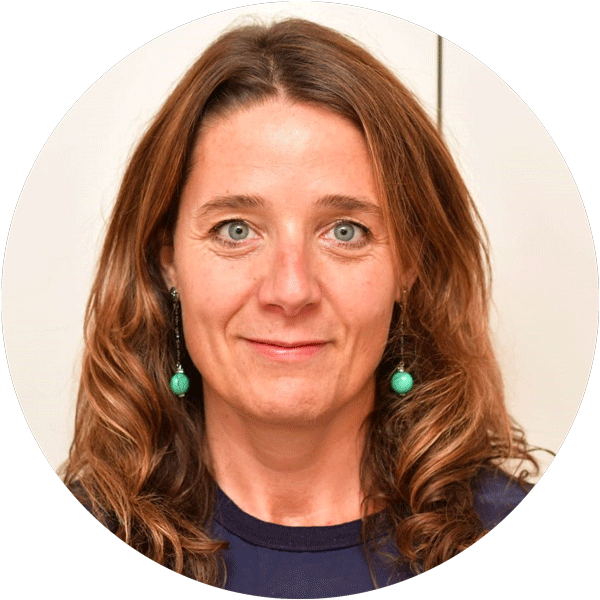
Barbara Gottardi is the CEO of technology and digital consultancy, WEDLVR. With more than 20 years’ experience in financial services, Barbara is an expert in building high-performing global teams.
Olli Wynyard Gonfond, PwC

Olli Wynyard Gonfond, from PwC’s Indigenous Consulting, designs experiences with First Nations people and communities, helping them to get excited about technology and drive innovation.
About Tech's Leading Women vodcast series
Tech’s Leading Women is a six-part video podcast series on lessons in gender, culture, and building an inclusive workplace. The series was inspired by a recent whitepaper published by Frank Recruitment Group, spotlighting some of the key issues that women in the tech industry face today. In each episode, we explore a different topic in more depth, with unique insights and opinions from inspirational thought leaders across the tech world.
